Unleashing Creativity: Exploring Multi-Dimensional Designs in the Cubical World of 3D Architecture
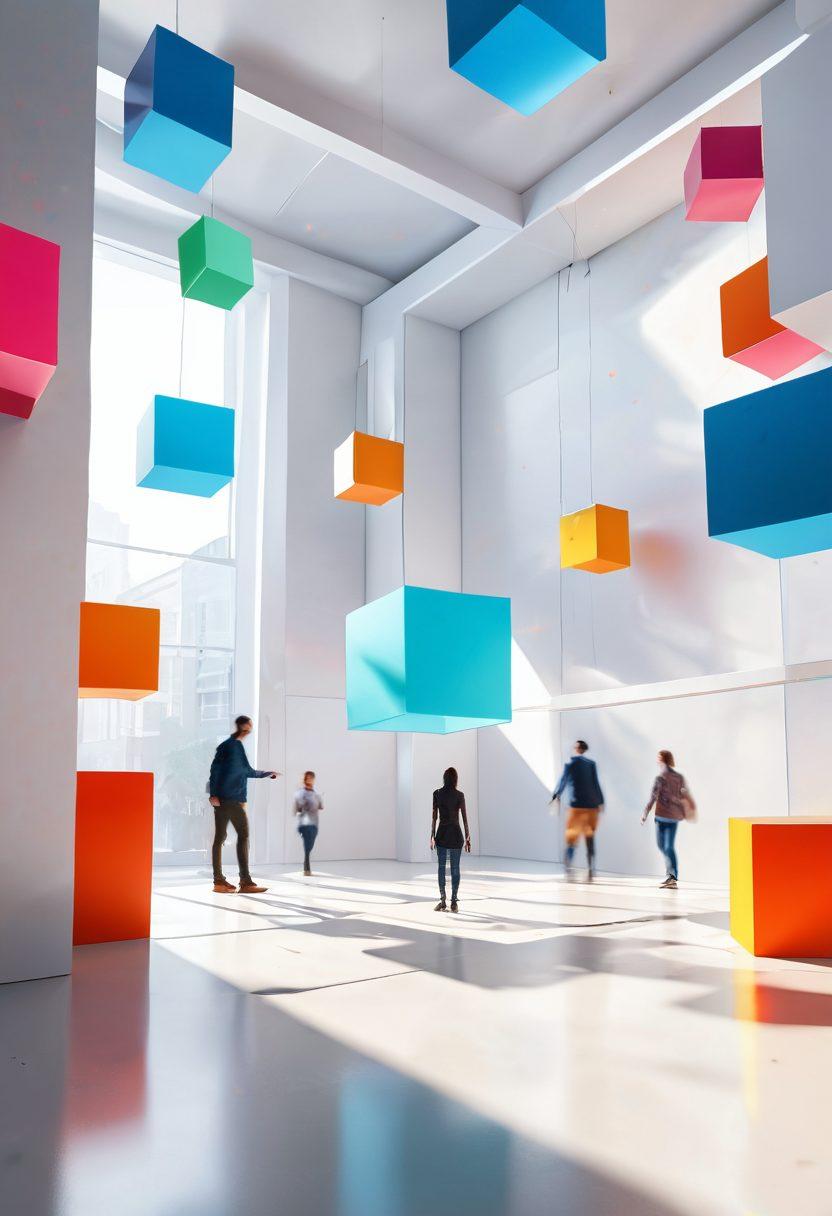
In a world that often prides itself on being two-dimensional, the allure of multi-dimensional designs in 3D architecture unfolds like the pages of a captivating novel. Imagine walking into a space where cubical structures twist and turn, reflecting the harmony of geometric principles. Each block, precisely arranged, becomes more than just a structural element; it transforms into a storytelling device, inviting you to explore its unique narrative. As we dive into this fascinating realm, we begin to uncover the systematic framework that defines modern architectural design and how it is reshaping our future.
Have you ever contemplated how a simple cube can evolve into a masterpiece? It’s the artistry of transformation. Multi-dimensional geometry allows architects to play with shapes and forms that defy conventional limits. Think of it as a dance between creativity and logic. This artistic expression creates spaces that aren’t just functional but resonate emotionally with the occupants. The same way an artist shapes a canvas, architects wield the cube, stretching its boundaries to depict something breathtaking and profound. This transformation is not merely about aesthetics; it’s about creating environments that enhance our daily lives and experiences.
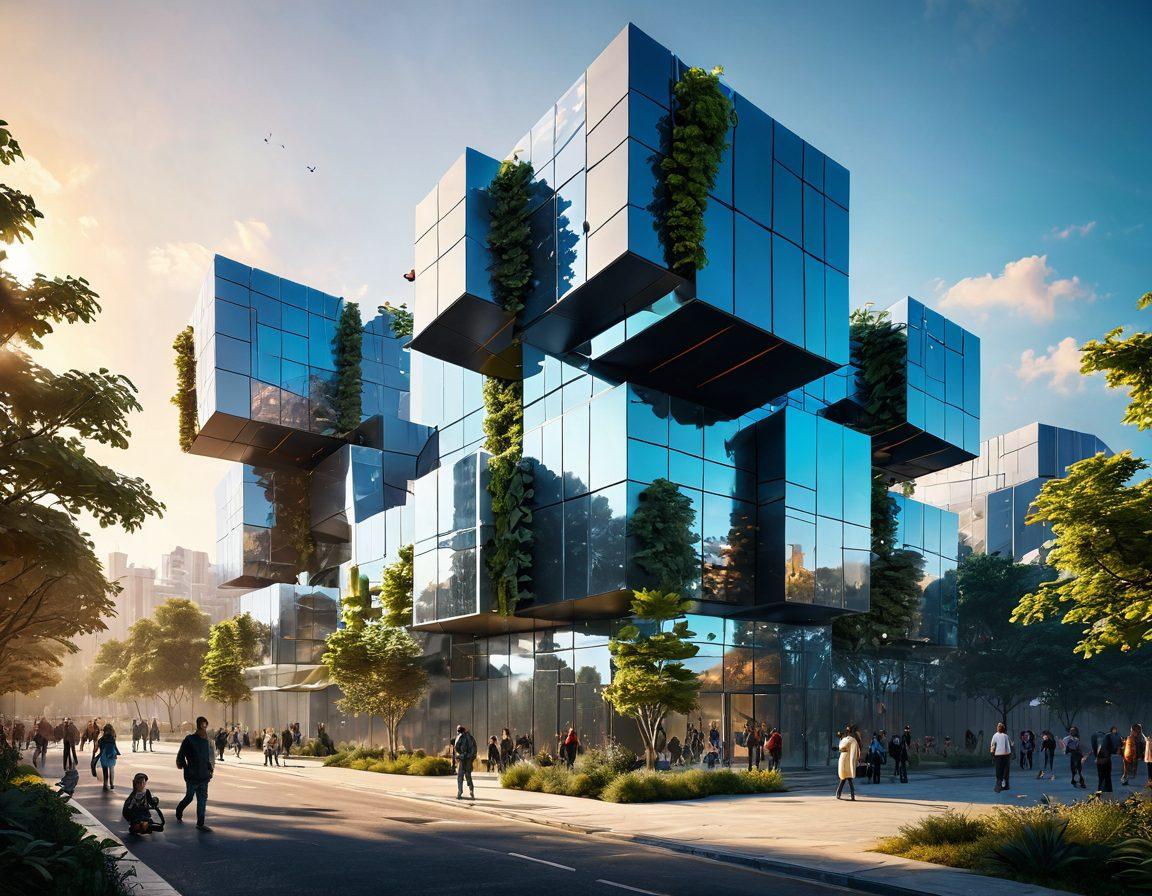
What's more enthralling is how this multi-dimensional approach incorporates elements of quantum theory into architectural design. A structured system where principles of geometry meet the aspirations of human existence. Articulate designs bring purpose and representation, crafting a dialogue between the environment and its inhabitants. Can you visualize a building that seems to change its exterior throughout the day, responding to light and shadows? These designs aren’t relics of the future—they are emerging today, as architects understand that functionality doesn’t have to come at the expense of beauty. They are creating modular environments that adapt to the dynamics of life itself.
As we explore this multi-dimensional landscape, the idea of creating block arrangements that foster community engagement becomes relevant. Consider urban designs that encourage interaction through their geometric configurations: public squares shaped like intertwined cubes that invite dialogue, or parks designed in vibrant, multi-faceted formats that beckon families to play. These aren’t just spaces; they are experiences crafted with intention, unity, and creativity. They challenge the notion of isolation—instead, they draw us into a shared experience and create a sense of belonging.
In essence, the future of architectural design is limitless, woven together by the threads of multi-dimensional geometry and cubical innovation. Architects are not merely builders but storytellers who shape the world through their designs. The question is, how do you envision the evolution of your surroundings in a cubical and multi-dimensional context? As we continue to embrace this new era of 3D architectural design, let us remain open to the possibilities that unfold, inspiring future generations of creators to dream bigger and design with purpose.
Beyond the Cube: Innovative Strategies for Structured and Modular Frameworks in Architecture
In a world that thrives on creativity and innovation, the realm of architecture is undergoing a transformative metamorphosis. Have you ever gazed into the horizon and wondered how those towering structures came to be? The answer lies within not just the bricks and mortar, but in a cubical lens that serves as a gateway into multi-dimensional designs. Beyond the cube, architects today are exploring innovative strategies for structured and modular frameworks that are re-imagining our understanding of space and form. What if every structure told a story through its geometric layout?
When we think of the classic cube, we often picture limited possibilities. But that couldn’t be further from the truth. Enter the age of 3D architecture—where the confines of a simple block shape explode into a realm of infinite dimensions. It’s not just about stacking cubes on top of one another but about creating a dynamic system that allows for fluidity and versatility across various designs. Imagine an architectural representation that adapts to its environment while embracing the principles of quantum design. Doesn’t that sound captivating?
Now, let's delve deeper into the essence of modular frameworks. These structured systems breathe life into the architectural landscape, providing functionality without sacrificing aesthetic appeal. Consider how modular designs allow for easy modifications as needs evolve over time; they foster a sustainable approach to building. Just think—your dream home could be a series of interconnected cubes that can be adjusted or enhanced, growing with you over the years. What if you could add a block here and a geometric element there, creating your own evolving masterpiece? The possibilities are boundless!
Incorporating innovative strategies into cubical designs isn't merely an architectural choice; it's an art form. It requires a systematic approach that challenges architects to rethink traditional layouts and emphasizes the importance of creativity in even the most structured designs. Remember the quote by architect Frank Lloyd Wright: 'Form follows function.' This rings truer than ever in the age of 3D architecture, where functionality can inspire artistic expression through geometric variations and multi-dimensional presentations.
As architects, designers, and lovers of the cubical world, we must embrace the journey beyond the cube. The future lies in our ability to innovate and adapt, creating spaces that are not just buildings but experiences. By understanding the narratives that each structured system tells and applying these innovative strategies, we can transform ordinary designs into extraordinary masterpieces. Are you ready to take the leap and explore this vibrant, geometric universe? The time to ignite your creative spark is now!
Quantum Inspirations: Unlocking New Dimensions in Geometric and Cubical Design
In a world where creativity meets technology, the potential of geometric and cubical designs in architecture has reached new heights. Imagine stepping into a space that feels both infinite and confined; a world where modular frameworks intertwine with quantum inspirations to shape our built environment. This is what happens when creativity is unleashed within the structured format of multi-dimensional designs. Have you ever wondered how the simple cube could evolve into a complex representation of art and science?
Cubical designs have been a part of architecture for centuries, but modern technology allows us to explore the multitude of dimensions that a simple shape can represent. Think about it: a cube, usually perceived as a single entity, can transform into an entire system of blocks. This turns a straightforward design into an architectural narrative filled with layers and meanings. The question arises: how can we unlock new dimensions in cubical design to make it more reflective of our aspirations and lifestyles?
As we delve into the world of 3D architecture, it's essential to recognize the powers of quantum inspirations. These inspirations might come from unexpected sources, such as natural patterns or even mathematical equations that define structural integrity. By embracing a geometric approach, architects and designers can create spaces that feel alive and inspire those who inhabit them. Just as a quote by the visionary architect Frank Lloyd Wright resonates, "Form follows function—that has been misunderstood. Form and function should be one, joined in a spiritual union.” How can we ensure that our designs are not only beautiful but also serve a deeper purpose?
Incorporating a multi-dimensional perspective into our architecture doesn't merely enhance functionality; it invites the occupants into a transformative experience. Imagine walking through a built environment where each corner reveals an interconnected narrative, drawing you into a world of discovery. The beauty of structured designs lies in their ability to evoke emotion and foster connection. As you ponder your own space, consider how you might bring that level of engagement into your work or home environment. Could a simple block be the key to sparking joy in the mundane?
Ultimately, the integration of geometric and cubical paradigms in design is about more than just aesthetics; it's about pushing boundaries and exploring uncharted territories. Every architect and designer has the opportunity to become a storyteller through their work. By tapping into systematic frameworks and the essence of multi-dimensionality, we can create spaces that resonate with the human experience. So, what story will you tell through your next architectural endeavor? Let your imagination run wild—unleash your creativity and embrace the cubes!